




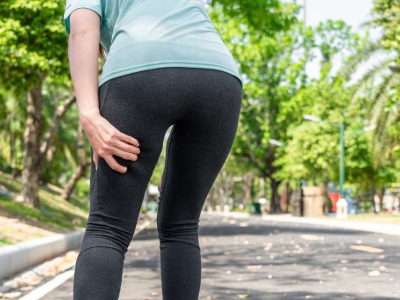
Hamstring injuries cause significant pain in the back of the thigh. These injuries frequently occur during high-intensity activities such as sprinting, sudden acceleration, or rapid changes in direction. Whether you experience a minor strain or a severe tear, hamstring issues often lead to tightness, weakness, and restricted mobility.
Understanding the Hamstrings
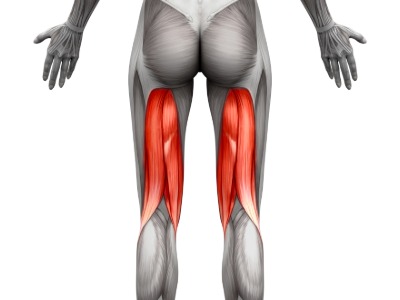
The hamstrings consist of three main muscles and their tendons running down the back of the thigh. They play a crucial role in bending the knee and extending the hip during running, jumping, and climbing.
Injuries typically happen when a tight hamstring over-extends at either the hip or the knee—often due to over-striding or sprinting. Specialists categorise these injuries into three grades:
- Grade 1: A mild muscle pull or strain.
- Grade 2: A partial muscle tear.
- Grade 3: A complete muscle tear or rupture.
Common symptoms include swelling and localised pain, often in the mid-thigh or deep within the buttocks. Significant bruising typically indicates ruptured muscle fibres.

Our Specialist Assessment in Leeds
At Foot Pain Centres of Leeds, our assessment identifies the specific injury and the underlying biomechanical factors contributing to it.
Your foot function and lower limb alignment directly influence the load placed on your hamstrings. By analysing how forces travel through your legs during movement, we can pinpoint why your hamstrings are under excessive stress.
Comprehensive Treatment and Recovery
Effective recovery requires a balance of immediate pain relief and long-term mechanical correction. Our treatment pathways include:
1. Immediate Care (The Acute Stage)
- Ice Therapy: Apply ice directly to the area to reduce swelling and inflammation.
- Activity Modification: Avoid sprinting, over-striding, and downhill running during the early stages of healing.
2. Clinical Rehabilitation
- Advanced Therapies: We use ultrasound, heat therapy, and massage to stimulate tissue healing once the acute phase passes.
- Physiotherapy: A structured programme of gentle stretching and strengthening exercises restores flexibility.
- Stretching Protocols: Since the hamstrings are flexor muscles prone to shortening, a dedicated pre-sport stretching routine is essential.
3. Long-term Prevention & Orthotics
For patients suffering from recurrent hamstring strains, we often prescribe custom orthotics. These devices correct underlying skeletal or pelvic imbalances, properly distributing load and preventing future injuries.
Ready to return to full activity?
Contact Foot Pain Centres of Leeds to book your hamstring assessment today.