

WE TREAT
Leg Length Discrepancy Assessment and Treatment in Leeds
Even a small difference can affect how you move and feel. We create personalised plans to help you feel your best.
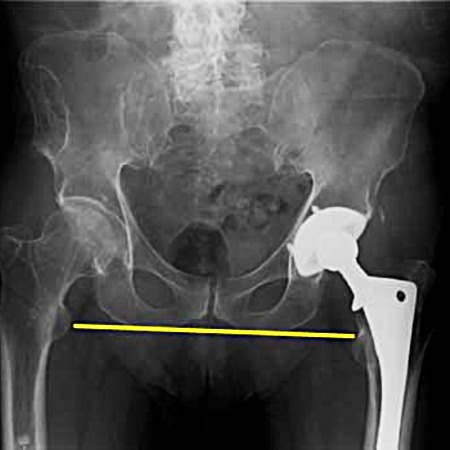
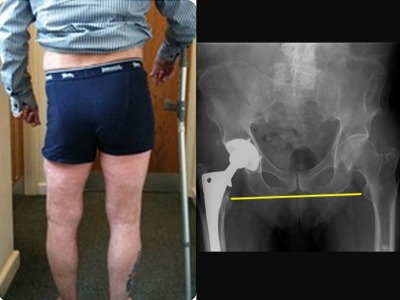
A leg length discrepancy (LLD) can significantly alter how your body balances and moves. Even a minor variation can disrupt your posture, placing undue strain on your feet, knees, hips, and lower back.
While the body can sometimes adapt to minor differences, a discrepancy becomes clinically significant at around 3mm. When that difference reaches 6mm, the physical stress of daily movement, combined with the impact of sports, can create a functional strain equivalent to a 2cm difference.
The Impact of Physical Activity
High-impact sports magnify the effects of uneven limb length:
- Running: Transmits forces up to 3 times your body weight through your lower limbs.
- Jumping & Leaping: These forces can skyrocket to 7 or 8 times your body weight.
- Specialised Sports: Activities like cycling, skiing, and rugby often lead to rapid muscle and joint fatigue due to the functional imbalance.


Anatomical vs. Physiological Differences
We categorise leg length differences into two primary types:
Anatomical (True) Discrepancy: This is an actual measured difference in the length of the bones, often caused by natural growth variations or previous trauma.
Physiological (Functional) Discrepancy: The leg bones are the same length, but other structural issues make one leg appear or function as if it were shorter.
Common causes include:
- Scoliosis (curvature of the spine).
- Pelvic misalignment or muscle imbalances.
- Severe flat feet (over-pronation) on one side.
Common Symptoms and Complications
If your body is forced to compensate for a limb length difference, you may experience:
- Chronic lower back pain.
- Iliotibial Band (ITB) Syndrome.
- Persistent hip or pelvic pain.
- Recurrent foot and ankle injuries.
Our Specialist Assessment & Treatment
At Foot Pain Centres of Leeds, our clinicians perform a comprehensive biomechanical evaluation to distinguish between true and functional differences. We examine your posture, pelvic alignment, and gait (walking pattern) to determine exactly how the discrepancy affects your movement.
Tailored Treatment Options include:
- Orthotic Therapy: Custom-made insoles to correct functional imbalances with the insertion of a graduated full-length device raise.
- Full Shoe Raises: Precision adjustments to footwear to level the pelvis.
- Rehabilitation: Targeted exercises to address muscle imbalances and improve stability.
- Footwear Advice: Guidance on selecting shoes that best support your specific alignment.