


WE TREAT
Shin Splints Assessment and Treatment in Leeds
From overuse to poor biomechanics, we provide expert care tailored to your needs.
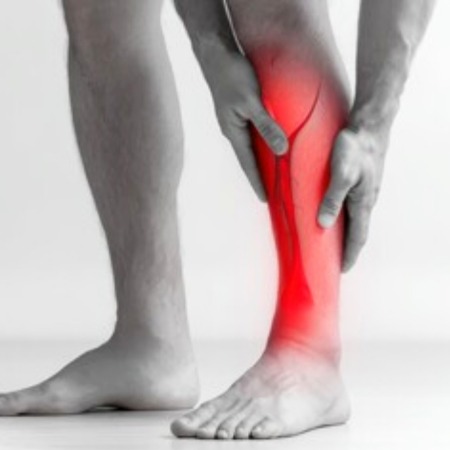
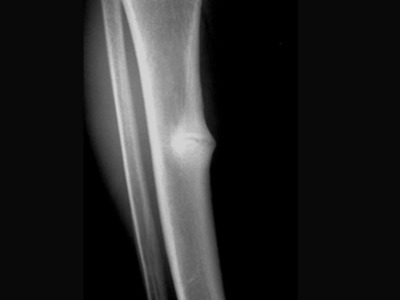
Shin pain is a frequent complaint for runners, athletes, and those who spend long hours on their feet. Most commonly known as Medial Tibial Stress Syndrome (or “shin splints”), this condition involves the irritation of muscles and tissues along the shin bone (tibia).
If you experience aching, tenderness, or stiffness along the inner part of your shin during or after activity, it is vital to address the root cause to prevent long-term damage, such as stress fractures.
Understanding the Causes of Shin Pain
Pain typically arises in the “anterior compartment” at the front of the leg. These muscles are responsible for decelerating your foot when your heel strikes the ground.
They are easily overworked by:
- Running Environment: Training on hard surfaces or running downhill.
- Gait Issues: Over-striding or having a foot type that causes a heavy “outer strike”.
- Biomechanical Factors: Excessive foot pronation or increased “bowing” of the shin bone, which reduces your body’s natural shock absorption.


Specialist Assessment at Foot Pain Centres of Leeds
Our Podiatrists identify exactly why your lower leg is under excessive strain. We don’t just treat the symptom; we analyse the mechanical cause through the following:
- Gait Analysis: Observing your walking and running mechanics.
- Muscle Function Testing: Evaluating ankle mobility and muscle fatigue levels.
- Foot Posture Evaluation: Identifying excessive pronation or structural imbalances.
Comprehensive Treatment Options
We design recovery plans to reduce stress on the tibia and get you back to peak performance.
- Orthotic Therapy: Custom insoles to correct foot mechanics and improve shock absorption.
- Rehabilitation: Tailored stretching, strengthening exercises, and ice massage.
- Activity Modification: Professional guidance on training loads to support recovery.
Choosing the Right Running Shoes
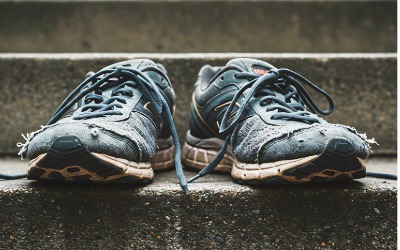
Your footwear is your first line of defence against shin pain. The wrong shoes can increase lower-leg stress, while the right pair distributes forces efficiently.
During your assessment, we consider:
- Cushioning & Stability: Matching the shoe’s support to your specific foot type.
- Heel-to-Toe Drop: Evaluating how the shoe’s geometry affects your running style.
- Footwear Integration: Ensuring your running shoes work in harmony with your orthotics or rehabilitation plan